Key Takeaways
- Memory care activities should reflect a person’s interests, abilities, preferences, and comfort level.
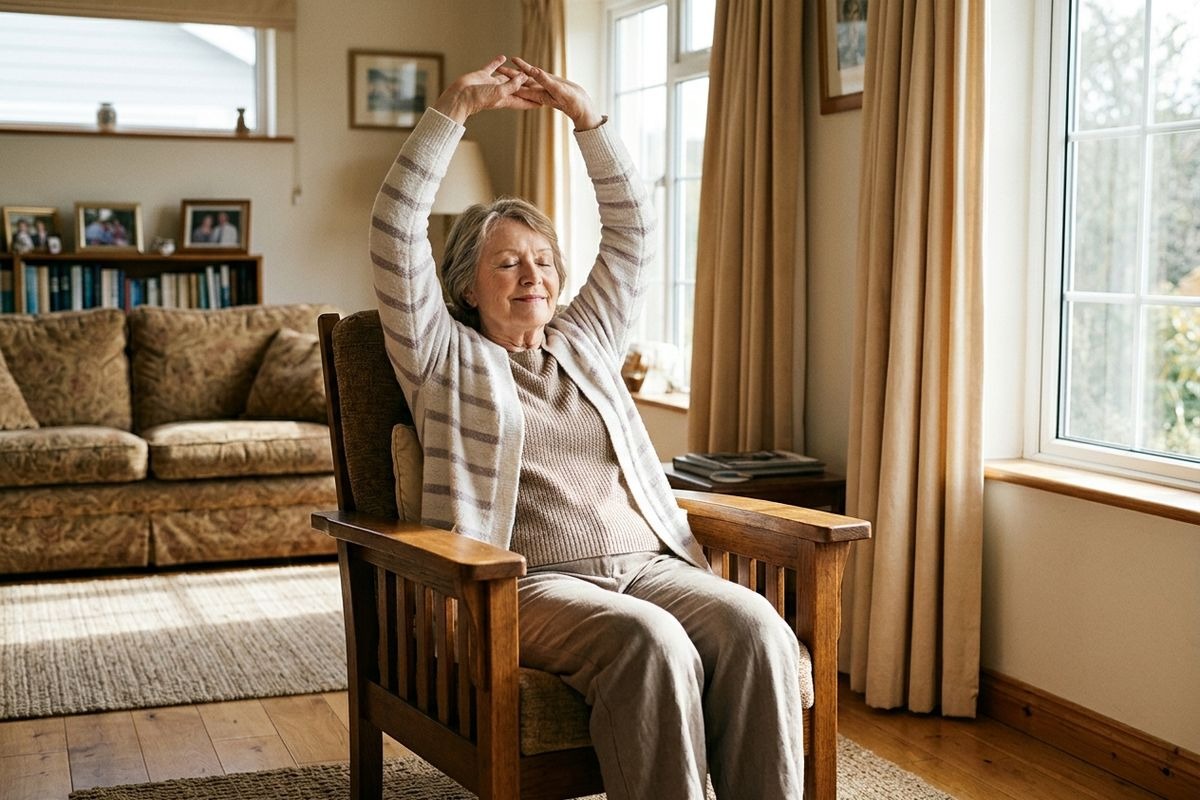
- Gentle movement can include chair yoga, stretching, short walks, group exercise, and adapted dance.
- Gardening and other outdoor activities provide familiar, hands-on ways to participate.
- Art, music, and reminiscence activities can be adapted without relying heavily on conversation or recall.
- Games, puzzles, and sensory activities should match current abilities so they don’t feel frustrating or test-like.
- Familiar daily tasks can provide accessible activities, and families can simplify them as needs change.
How the Right Activities Support Seniors With Cognitive Decline
Cognitive decline can change how your loved one participates in hobbies, social events, and everyday routines. Activities that once came easily may need to be simplified or approached differently, while familiar interests can continue to provide meaningful ways to spend time. The goal is to find options that feel comfortable and appropriate for the person.
Memory care activities for seniors with cognitive decline can include gentle movement, gardening, art, music, games, sensory experiences, and familiar daily tasks. There isn’t one activity that works for everyone, so choices should account for your loved one’s interests, current abilities, and preferences. A flexible approach leaves room to adapt as their needs change.
The Benefits of the Right Activities in Memory Care
Activities can give people living with cognitive decline opportunities to move, interact with others, use familiar skills, and participate in daily life. A well-chosen activity can also provide structure to the day without putting unnecessary pressure on memory or communication.
The activity itself matters less than how well it fits the person. Familiar interests, manageable tasks, and comfortable surroundings can make participation more accessible. Activities can also be adjusted over time so your loved one can remain involved without being asked to do more than feels comfortable.
Dementia-Friendly Physical Activities
Physical activity doesn’t have to involve strenuous exercise. Simple, accessible movement can give your loved one opportunities to stay active while participating at a pace that works for them.
Gentle Movement
Gentle exercises can be adjusted for different mobility levels and don’t require complicated instructions or equipment. Familiar movements and short sessions can also make these activities easier to incorporate into the day.
- Chair yoga
- Gentle stretching
- Tai chi
- Short walks
Group Exercise
Group activities combine movement with an opportunity to participate alongside other people. Sessions can be adapted so participants can follow simple movements without feeling pressured to keep up with everyone else.
- Adapted dance sessions
- Seated exercise classes
- Walking groups
- Balloon toss
- Simple movement games
Gardening and Outdoor Activities
Gardening provides familiar, hands-on tasks that can be simplified according to someone’s abilities. Outdoor activities can also offer a change of setting without requiring a complicated schedule or strenuous physical effort.
- Watering plants
- Gardening in raised beds
- Feeding birds
- Planting flowers or herbs
Creative Activities for Someone With Dementia
Creative activities give people different ways to participate without relying entirely on conversation or recall. The best options focus on the process rather than producing a particular result.
Arts and Crafts
Simple art projects can be adapted to suit a person’s dexterity, attention span, and interests. Projects with straightforward steps can provide enough structure to get started while still leaving room for personal choice.
- Painting
- Collage
- Scrapbooking
- Simple clay projects
- Seasonal crafts
Music Activities
Music provides several ways to participate, from listening to familiar songs to playing a simple instrument. Choosing music based on someone’s personal tastes can make the activity more familiar and relevant to them.
- Listening to favorite songs
- Singalongs
- Playing simple percussion instruments
- Creating personal playlists
Reminiscence Activities
Reminiscence therapy activities use familiar objects, photographs, music, or topics from a person’s past as a starting point for participation. They shouldn’t be treated as a test of what someone can remember; the focus can stay on conversation, recognition, or simply spending time with something familiar.
- Looking through photo albums
- Handling familiar keepsakes
- Listening to music from earlier periods of life
- Talking about favorite hobbies or traditions
- Looking through old magazines or postcards

Cognitive Activities for Someone With Dementia
Cognitive activities can provide opportunities to focus, make choices, and use familiar skills. Difficulty should match the person’s current abilities so the experience doesn’t become frustrating or feel like a test.
Games and Puzzles
Games with clear rules and familiar formats can provide structure without requiring complicated problem-solving. Simplifying a favorite game or choosing an easier puzzle can make it more accessible as cognitive abilities change.
- Jigsaw puzzles with larger pieces
- Matching games
- Bingo
- Simple word games
Sensory Activities
Sensory activities use touch, texture, sound, and other senses to provide a straightforward form of engagement. They can work particularly well when an activity involving detailed instructions or sustained concentration isn’t a good fit.
- Sorting different fabrics
- Sensory bins with varied textures
- Handling smooth stones or other safe objects
- Using appropriate fidget items
- Sorting buttons or other familiar objects
Familiar Daily Tasks
Everyday tasks can provide a natural activity because the movements and routines may already be familiar. Choose safe, manageable tasks that reflect what your loved one has done or enjoyed in the past rather than assigning work simply to keep them occupied.
- Folding towels or laundry
- Setting the table
- Sorting household items
- Arranging flowers
Finding the Right Memory Care Activities for Your Loved One
Start with activities your loved one already knows or interests they’ve had throughout their life. A longtime gardener might still like watering plants, while someone who has always loved music may prefer listening to favorite songs over joining a game. Look for ways to simplify familiar activities before replacing them altogether.
Pay attention to how your loved one responds and adjust accordingly. An activity that works well one day may not appeal to them another day, and changing cognitive or physical abilities can affect what feels comfortable. Participation should remain flexible rather than becoming another task they are expected to complete.
Memory Care at Heatherwood by RUI
Memory care activities are most useful when they reflect the person taking part in them. Movement, creative projects, familiar music, sensory experiences, games, and everyday tasks can all provide meaningful opportunities to participate when they’re suited to someone’s abilities and interests.
At Heatherwood, part of Retirement Unlimited, Incorporated (RUI), our Inspiritás Memory Care lifestyle takes a personalized approach to supporting residents living with cognitive decline. The community considers each resident’s interests, preferences, and personal history when shaping daily experiences and support. If you have a loved one in need, we have the dedication and passion needed to help. Book a tour of Heatherwood by RUI today to learn more!